


15/02/2018
Why Site Speed Matters
We live in a fast moving world where people want (and expect) to have everything at their fingertips; less time to spare and even less patience to wait. Time matters. Speed matters, especially when it comes to web pages.
In fact, Akamai – a leading content delivery network (CDN) services provider – asked 1,048 online shoppers how long they expected a web page to take to load…nearly half (47%) said 2 seconds or less!
A total of 40% said they would completely abandon a web page if it took more than three seconds to load, which is quite concerning when competition for online business is so high.
Read More Millions of WordPress sites may be exposed to a Blind SQL Injection vulnerability due to a security hole in the very popular Yoast SEO plugin,
 Have you read up about Google’s new algorithm update yet? Responsive web design is now more important than ever. Starting on 21 April 2015, Google will be using mobile friendly factors in the ranking algorithm for mobile search results.
 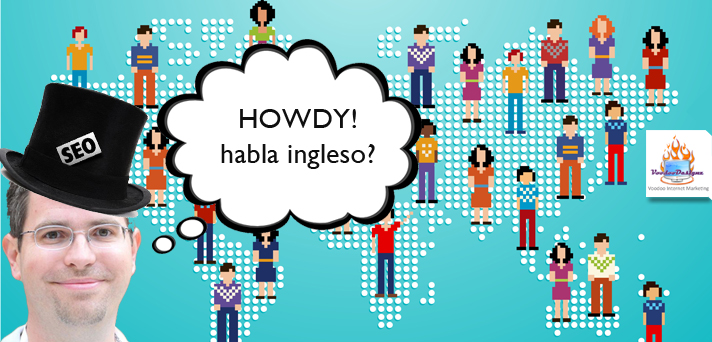 Ever been flummoxed by a site’s ranking getting nailed in English on Google.co.uk but still ranking high and dry in other languages? Me too. Try telling the client “English? Naaaaah. Don’t worry about English. You’re page 1 for Latvian!”
 Search engine optimization — SEO — may seem like some form of obscure magic code known only to a handful of overpaid consultants. The truth is there is a science to it. Search engines reward pages with the right combination of ranking factors, or “signals.” SEO is about ensuring your content generates the right type of signals which search engines look for when determining the relevance of a site to a search query.
 A client of ours – we’ll call him John Smith – wrote to us with this very good question:
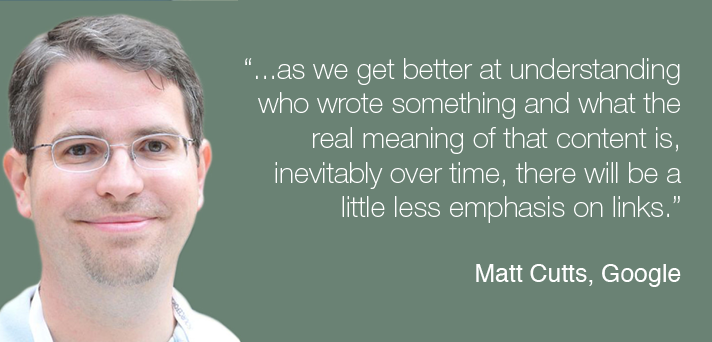 Google changed the search engine market in the 90s by evaluating a website’s backlinks instead of just the content, like others did. Updates like Panda and Penguin show a shift in importance towards content. Will backlinks lose their importance?
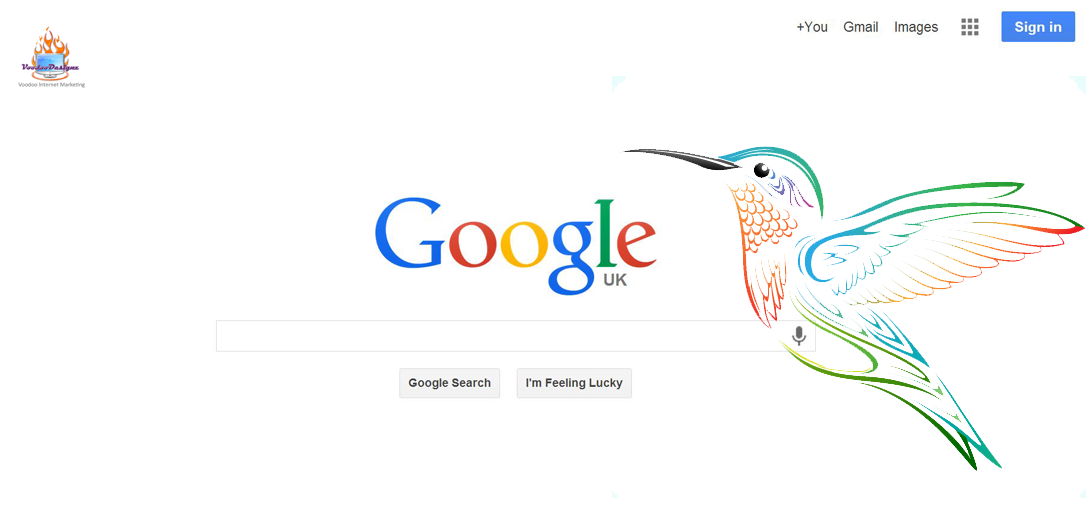 To mark 15th Birthday at the end of September, the world’s biggest search engine Google revealed ‘Hummingbird’ a new search algorithm.
 Don’t know your SEO from your SERPs? Bamboozled by all the web jargon? Here is a simple, no-nonsense, plain English 3 step guide of figuring out if your company is being found on the internet by your customers. Firstly decide on what search engine you want to be found on, the main ones are Bing, Yahoo and Google.
 Ranking high on search engines is no longer optional, it’s critical. Studies show that the majority of people do not look past the first two or three pages of the Google results. And most of these don’t even go past the first page.