


03/03/2015
In SEO
April 21: Mobile-friendliness a ‘significant’ ranking factor on Google mobile searches
 Have you read up about Google’s new algorithm update yet? Responsive web design is now more important than ever. Starting on 21 April 2015, Google will be using mobile friendly factors in the ranking algorithm for mobile search results.

 Google invests a lot in making sure that their services use industry-leading security, like strong HTTPS encryption by default. That means that people using Search, Gmail and Google Drive, for example, automatically have a secure connection to Google.
 Ever been flummoxed by a site’s ranking getting nailed in English on Google.co.uk but still ranking high and dry in other languages? Me too. Try telling the client “English? Naaaaah. Don’t worry about English. You’re page 1 for Latvian!”
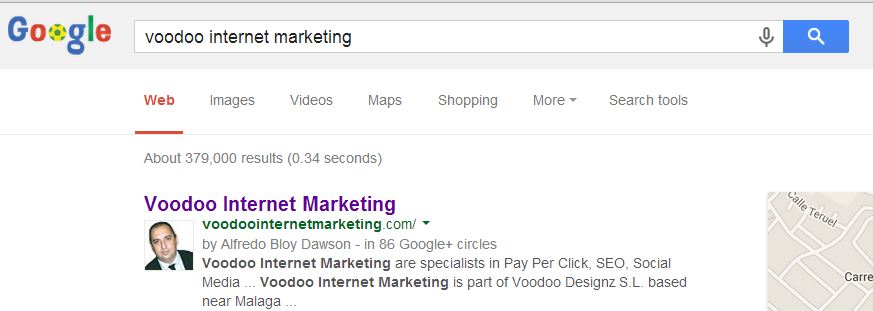
 Wondering why your Google+ profile pic and number of Google+ circles you’re in have vanished from search results? Don’t worry, it’s not that Google doesn’t like the look of your mug. Google’s John Mueller
  Search engine optimization — SEO — may seem like some form of obscure magic code known only to a handful of overpaid consultants. The truth is there is a science to it. Search engines reward pages with the right combination of ranking factors, or “signals.” SEO is about ensuring your content generates the right type of signals which search engines look for when determining the relevance of a site to a search query.
 Google’s recently released an update to the way its search algorithm works, dubbed “Panda 4.0″ aimed at discriminating against websites that publish duplicate or spammy content. It has long been a conundrum as to the SEO value of real estate website listings which are imported from and exported to third party sites. So how will Google”s Panda 4.0 update affect real estate websites?
 Pandas may look cute and cuddly, but they can be extremely hazardous to your health. The same can be said about Google’s most recent update to the way its search algorithm works, dubbed “Panda 4.0,”which is said to be wreaking havoc with some major brands on the web, according to
  Google may be forced to be more forthcoming when asked to remove information about individuals from its search results. This follows Google’s loss in a landmark court case which questioned the amount of control they were administering over data privacy in Europe.
 A client of ours – we’ll call him John Smith – wrote to us with this very good question:
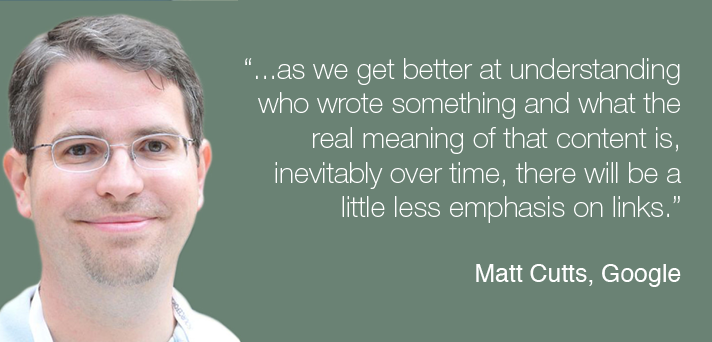 Google changed the search engine market in the 90s by evaluating a website’s backlinks instead of just the content, like others did. Updates like Panda and Penguin show a shift in importance towards content. Will backlinks lose their importance?
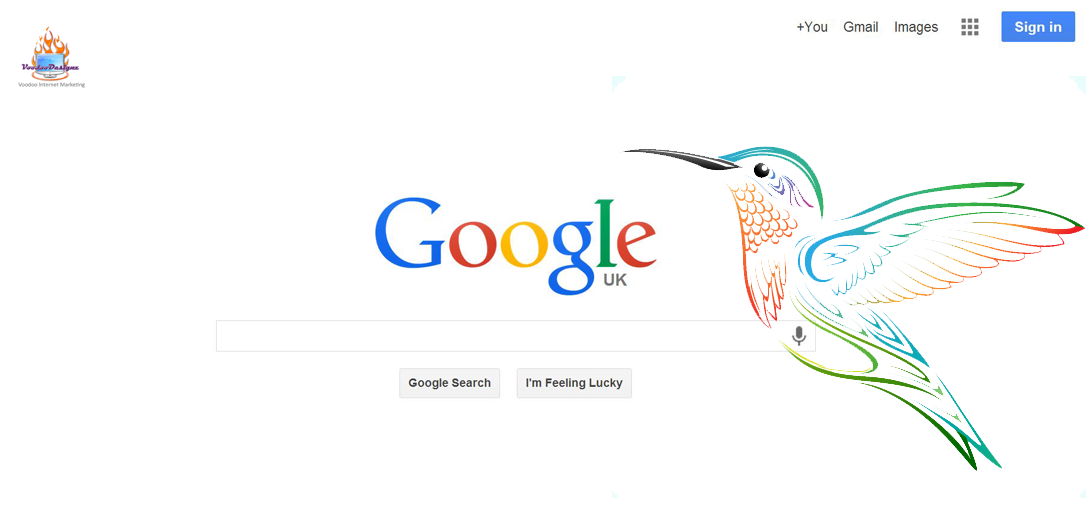 To mark 15th Birthday at the end of September, the world’s biggest search engine Google revealed ‘Hummingbird’ a new search algorithm.
